Can Pick Bins in Brisbane Really Reduce Picking Errors and Labour Costs?

Busy Brisbane warehouses still lose hours every shift to pickers stopping, scanning shelves twice, and grabbing the wrong small part because identical-looking stock sits mixed together. Pick Bins in Brisbane change that pattern when the open fronts face the aisle and each SKU gets its own clear space. The difference shows up first in the afternoon shift when tired eyes stop making the same mistakes.

What Actually Stops The Repeated Mix-Ups?

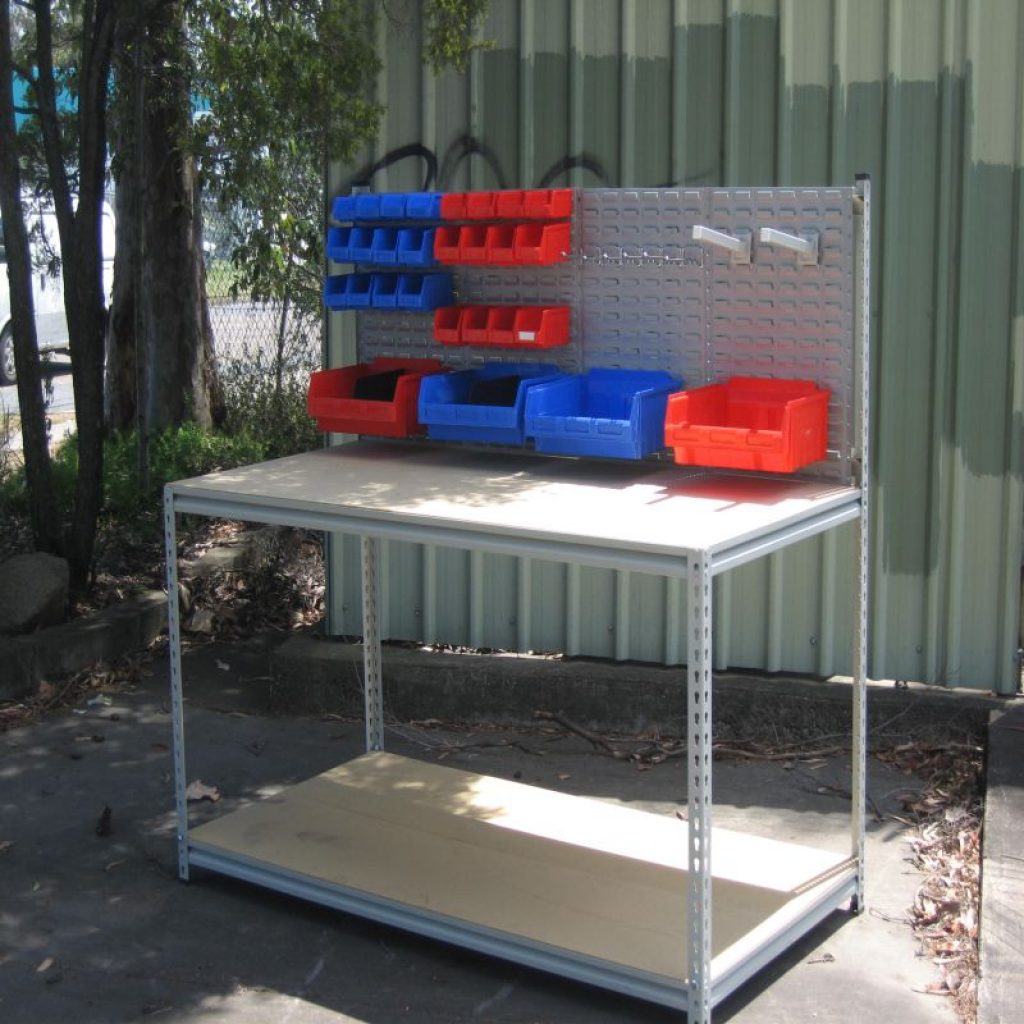
Supra bins in Brisbane force separation that paper labels alone never achieve on busy pick faces. Look-alike fasteners or fittings that once lived side-by-side now sit in their own compartments, so the hand reaches the right item without a second check.

  • Open fronts remove the need to lift lids or dig through mixed stock.

  • Consistent placement means new casuals make fewer first-day errors.

  • The biggest drop in returns usually appears after the third week once muscle memory catches up.

Where The Labour Minutes Disappear

Existing shelving in Brisbane that already carries louvre panels gains the most when bins sit at elbow height rather than floor level. Pickers stop bending and searching; they simply take what they see.

  • Search time falls fastest on high-velocity lines that move several times a day.

  • Confirmation becomes a glance instead of a full count.

  • In tighter workshops the same bins cut the walking loops that used to eat twenty minutes every peak hour.

What Realistic Numbers Can Local Operations Expect?

A mid-size distribution site handling mixed small parts rarely sees dramatic overnight jumps. More often the gain is quieter: fewer overtime hours needed to clear the same daily volume, and less time spent chasing wrong shipments once Pick Bins in Brisbane are properly labelled and kept in fixed positions.

  • Humidity still softens cardboard options within months.

  • Plastic holds its shape longer through Queensland summers.

  • Results stay uneven when stock is put away carelessly the same afternoon the bins go in.

FAQ

Will They Fit Existing Racking?

Most open-front styles drop straight onto standard shelves or louvre panels already common locally.

How Soon Do Errors Drop?

Noticeable change usually appears once labelling and restocking habits settle, often within two to three weeks.

Is Plastic Worth The Difference?

In humid conditions it keeps its form longer than cardboard and needs fewer replacements.

Conclusion

Pick Bins in Brisbane deliver their quietest value when the layout stays disciplined after installation rather than drifting back to mixed piles. The operations that keep the gains are the ones that treat the bins as fixed homes instead of temporary holders. Speak with the team today to arrange a practical site review of your current small-parts storage and see where open-front bins would fit.

Learn More:

Should You Choose Selective or High-Density Pallet Racking Shelving?

Warehouse managers in Brisbane often reach the decision point after a rent increase, a change in stock volume, or a few frustrating stockouts. At that stage, choosing Pallet Racking Shelving is no longer about which system looks better on a plan. The wrong choice can affect picking speed every day, particularly when a high-density lane holds the pallet someone needs most urgently.

Where Does the Real Friction Appear Between Racking Options?

Pallet Racking Systems and Warehouse Racking create very different working patterns once the installation is in use. Selective racking keeps individual pallets accessible, while high-density systems trade some accessibility for greater storage concentration.

The differences become noticeable when:

  • Drive-in lanes become awkward with more SKU variety

  • Push-back carts receive repeated forklift impacts

  • Pallet flow struggles when product velocity changes

  • Forklift travel increases around heavily used areas

The hidden cost is often not the steel. It is the extra movement, waiting and occasional forklift contact that develops when the layout does not match how stock actually moves.

How Should Stock Behaviour Influence the Choice?

Storage Racks in Brisbane tend to work best when the layout follows actual stock behaviour rather than projected volumes. A warehouse carrying dozens of active SKUs has very different requirements from one moving a small number of bulk lines every day.

Before choosing a system, look at:

  • Number of active SKUs

  • Picking frequency

  • Stock rotation requirements

  • Available floor and ceiling space

High-density racking can make sense for consistent, high-volume lines. Selective racking remains easier to manage where staff regularly need individual pallets without moving others first.

When Does a Hybrid Racking Layout Make More Sense?

Pallet Racking Shelving does not have to mean using one system throughout the warehouse. Mixed layouts can be particularly useful where fast-moving, slow-moving and seasonal stock behave differently.

A warehouse might use:

  • Selective zones for frequent individual picks

  • High-density areas for bulk stock

  • Flow racking where FIFO matters

  • Separate areas for seasonal inventory

This can require more planning, but it avoids designing the entire warehouse around one stock pattern. A system that works brilliantly for bulk lines can be frustrating when used for frequently picked individual pallets.

FAQ

Does high-density always provide more usable capacity? 

Not necessarily. Poor lane utilisation can leave expensive storage space underused.

Can selective racking be converted? 

Some systems can be adapted, but the existing structure and intended configuration need assessment first.

Which option suits many active SKUs? 

Selective racking is generally easier to manage when individual pallet access is frequent.

Conclusion

The better Pallet Racking Shelving option is the one that fits the stock movement you actually have, rather than the warehouse you expect to have on paper. Selective, high-density or a combination can all work when the layout reflects picking habits, forklift movement and available space. Plan your racking around those realities before committing to a system.